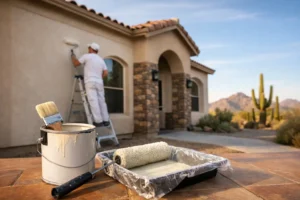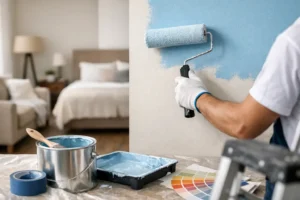
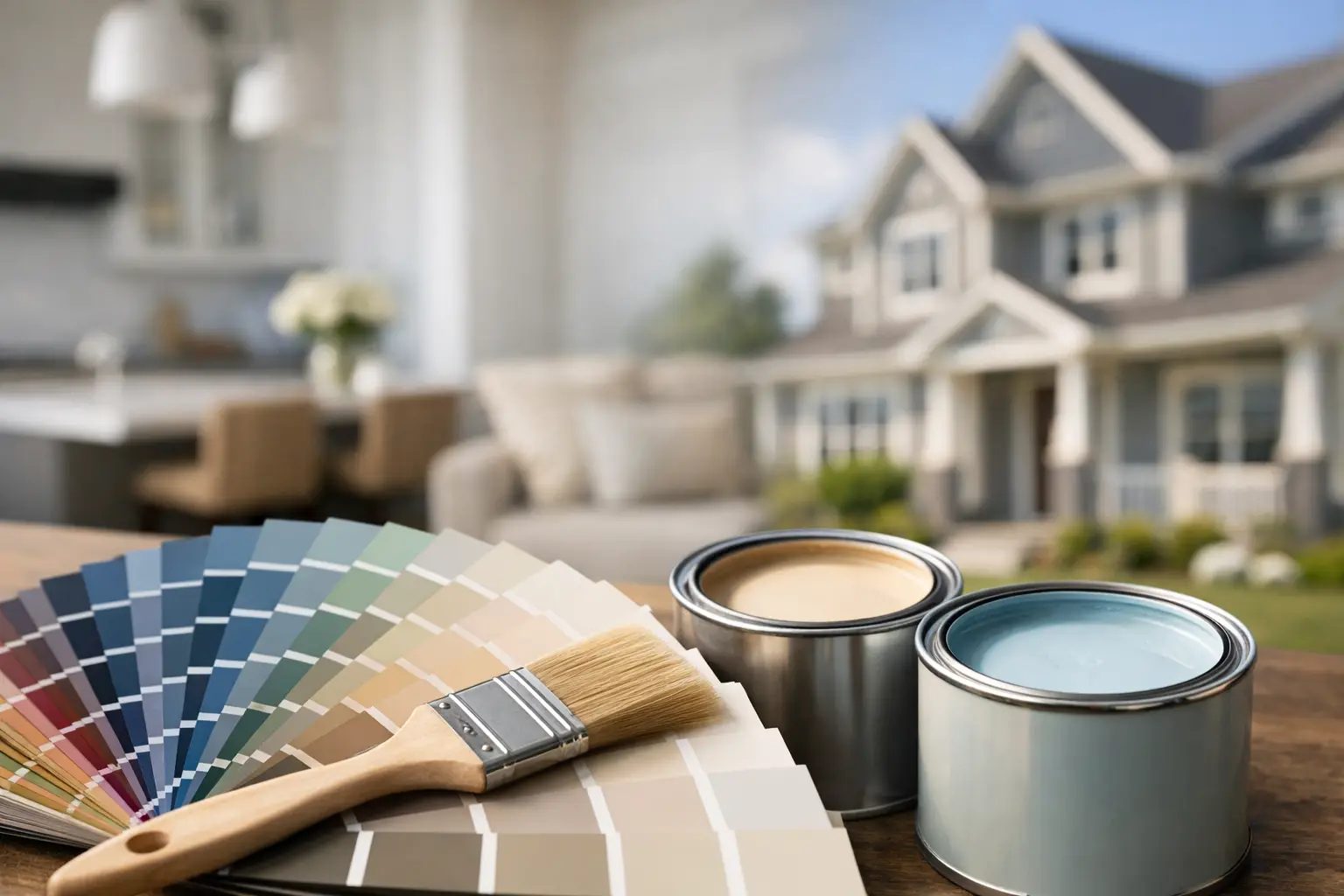
A buyer can forgive a lot on a showing. They usually do not forgive a house that feels dark, dated, or harder to maintain than it should be. That is why paint colors that increase home value matter more than many homeowners expect. The right color choice does two jobs at once – it makes the home feel cared for today, and it helps the next buyer picture themselves living there.
Paint is not magic. It will not make a worn-out property sell like a fully remodeled one. But it is one of the most cost-effective ways to improve first impressions, brighten rooms, and give the home a cleaner, more current look without major construction. If resale is part of the plan, color should be chosen with market appeal in mind, not just personal taste.
What paint colors that increase home value usually have in common
The colors that tend to support value are rarely the boldest ones in the room. They are usually flexible, light-enhancing, and easy to decorate around. Buyers want a home that feels move-in ready, and neutral colors help create that impression because they make finishes, flooring, and natural light feel more connected.
That does not mean every wall should be flat white. Good resale color has some warmth, enough depth to avoid looking sterile, and enough consistency from room to room that the house feels intentional. In Arizona homes especially, strong sunlight can wash out pale shades or make yellow undertones look stronger than expected, so a color that looks balanced on a sample card can behave very differently once it is on the wall.
Best interior paint colors for resale
Warm white
A soft warm white is one of the safest choices for interior resale value. It brightens rooms, helps trim look crisp, and works with both modern and traditional finishes. Buyers also read white walls as clean, which matters during showings.
The trade-off is that the wrong white can look harsh or chalky, especially in homes with intense natural light. A white with a slight cream or greige undertone usually feels more comfortable than a cold, blue-based white.
Greige
Greige sits between gray and beige, and that balance is exactly why it performs well. It feels updated without feeling trendy, and it pairs well with common flooring materials such as tile, wood-look plank, and natural stone. For many homeowners, greige is the sweet spot between safe and stylish.
Not every greige works in every house. Some lean purple, some lean green, and some go muddy in low light. Testing it in morning, afternoon, and evening light is worth the time.
Light beige and taupe
Beige made a comeback for a reason. The newer versions are cleaner, softer, and more adaptable than the heavy tan shades that made older homes feel dated. A light beige or taupe can warm up a room while still giving buyers a neutral backdrop.
This is often a smart choice in homes with a lot of warm fixed finishes, like travertine tones, oak cabinets, or sandy tile. Instead of fighting those elements, beige and taupe help the whole house feel more cohesive.
Soft gray
Soft gray can still add value, but it has to be handled carefully. The cool grays that dominated years ago are losing favor in many markets because they can make interiors feel flat or overly cold. A lighter gray with some warmth can still look clean and current, especially in bathrooms, hallways, and homes with cooler stone finishes.
If a room already lacks natural light, gray may not be the best answer. In those spaces, a warmer neutral usually feels more welcoming.
Exterior paint colors that help a home look more valuable
Outside, color does more than set a style. It affects curb appeal, maintenance perception, and how well the home fits the neighborhood. In the greater Phoenix area, exterior colors also have to hold up visually in bright sun and against desert landscaping.
Light greige or sandy neutral
For many Arizona homes, this is one of the safest exterior choices. A light greige or sandy neutral feels clean, current, and regionally appropriate without standing out for the wrong reasons. It works well with stone accents, black or bronze hardware, and a wide range of roof colors.
It also hides dust better than stark white. That is a practical advantage, not just an aesthetic one.
Soft off-white
A soft off-white exterior can look high-end and fresh when the architecture supports it. Ranch homes, updated stucco exteriors, and homes with contrasting trim often benefit from this approach. It gives the property a bright, cared-for appearance that photographs well and catches attention from the street.
Still, off-white is not always low maintenance. In some settings, it can show dirt and weathering faster, so prep and finish quality matter.
Muted gray-brown
A muted gray-brown or earth-toned neutral gives a house depth without making it feel dark. This type of color often works well in neighborhoods where natural stone, desert tones, and warm roof tiles are common. It can also make trim, shutters, and doors stand out in a controlled, polished way.
The key is to keep it muted. Dark, heavy browns tend to age a house visually, while balanced earth tones feel more timeless.
Accent colors that can help, and when they hurt
Front doors, shutters, and even painted cabinetry can influence value because they shape first impressions. A restrained accent color can make the home feel custom and cared for. Deep charcoal, muted blue, and classic black are common winners because they add contrast without overwhelming the property.
Where homeowners get into trouble is using accent color as the main event. A bright red dining room, a navy ceiling, or a lime green front door may reflect personal style, but resale buyers often read those choices as one more thing they will need to change. If your goal is broad appeal, accents should support the home, not dominate it.
Finish and prep matter as much as color
A great color will not carry a poor paint job. Buyers notice roller marks, flashing, chipped trim, rough cut lines, and paint on hardware. Even if they cannot name the problem, they read it as deferred maintenance.
That is why paint projects tied to resale should start with preparation. Clean surfaces, patching, caulking, sanding, and priming all affect the final look. The finish matters too. Walls often look best in eggshell or low-sheen finishes that are durable but not overly shiny. Trim and doors usually benefit from a smoother, slightly higher-sheen finish that looks intentional and easier to maintain.
For exteriors, durability matters just as much as appearance. In Arizona heat, lower-grade products and rushed prep work tend to show their age quickly. A finish that fades early or peels at trim joints does not help value for long.
How to choose the right paint colors that increase home value for your home
The best resale color is not picked in isolation. It should work with your flooring, countertops, roof, stone, cabinets, and the amount of natural light the home gets. A color that helps one house sell faster can look completely off in another.
Start by looking at what cannot easily be changed. If the home has warm tile and earthy exterior masonry, lean into colors that support those materials. If the house has black fixtures, white quartz, and cooler finishes, a cleaner white or balanced greige may make more sense.
It also helps to think in terms of consistency. Buyers tend to respond well when the home feels visually connected from room to room. That does not mean every space has to be the exact same color, but abrupt shifts can make the house feel smaller and less polished.
If you are painting before listing, avoid over-customizing. The goal is not to create the most memorable house on the block. The goal is to create a home that feels clean, updated, and easy to say yes to.
When repainting is worth it before selling
If your current paint is heavily scuffed, obviously outdated, sun-faded, or patched in multiple shades, repainting is usually worth serious consideration. The same is true if bold personal colors are likely to distract buyers from the home itself.
On the other hand, if the home was painted recently in a neutral color and the finish still looks clean, repainting everything may not be necessary. Sometimes targeted work on high-visibility areas like the front door, main living spaces, trim, or sun-damaged exterior walls offers the better return.
For homeowners in Mesa and nearby communities, this is where local experience matters. Desert light, stucco textures, and heat exposure all influence how a color reads and how long it lasts. A finish you can trust starts with choosing colors that not only look good on day one, but still look right after months of sun and use.
The best paint color for value is usually the one that makes buyers stop noticing the paint and start noticing the home.