
You usually learn the hard way whether a painting contractor was the right choice. The walls may look fine on day one, but missed prep, weak communication, and rushed work tend to show up later. That is why knowing the right questions to ask painting contractors before you sign anything can save you money, stress, and a second repaint sooner than expected.
A good estimate should do more than give you a price. It should show how the contractor thinks, how they work, and whether they care about lasting results or just getting through the job. The best conversations go beyond paint color and start with process, protection, scheduling, and accountability.
Why the right questions matter
Painting looks simple from the outside. Most property owners can spot a fresh color change, but fewer can tell whether the surfaces were cleaned properly, patched correctly, primed where needed, or coated with the right product for the space. Those details are what separate a finish that holds up from one that starts failing early.
This matters even more in Arizona. On exterior projects, intense sun and heat put real pressure on paint products and surface prep. On interiors, cabinet finishes, trim, and high-traffic walls need the right materials and application methods to avoid chipping, flashing, or uneven wear. If a contractor cannot explain their process clearly, that is usually a warning sign.
Questions to ask painting contractors before hiring
1. Are you licensed, bonded, and insured?
Start here. This question is basic, but it is non-negotiable. A professional contractor should be able to confirm licensing, bonding, and insurance without hesitation. It protects you if property damage happens or if someone gets hurt on the job.
If the answer is vague, or if they say insurance is not really necessary for a small job, move on. Professional standards should not change based on project size.
2. What does your estimate include?
An estimate should be specific. Ask whether it includes surface prep, minor repairs, caulking, priming, paint materials, number of coats, cleanup, and final walkthrough. A low bid can look appealing until you realize prep work or necessary repairs were excluded.
This is where pricing differences often make sense. One contractor may be charging more because they are including the steps that help the finish last.
3. How do you handle surface preparation?
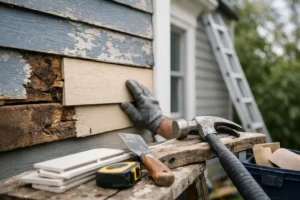
Prep work is where quality starts. Ask what they do before paint goes on. Depending on the project, that may include washing, scraping, sanding, patching, caulking, masking, spot priming, and protecting surrounding surfaces.
If the contractor talks mostly about paint brands but not prep, that is a concern. Even good paint cannot cover poor preparation for long.
4. Will you repair damaged surfaces before painting?
Not every painter handles repairs the same way. Some include minor drywall repair, wood patching, siding touch-up, or nail hole filling. Others paint over problems unless the customer asks.
It helps to get clear about what counts as a minor repair and what would be priced separately. That keeps the project from turning into a string of change orders once work begins.
5. What paint products do you recommend, and why?
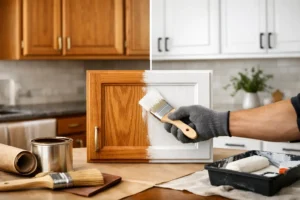
A solid contractor should have a reason for the products they use. Different surfaces and spaces need different coatings. Bathrooms, stucco exteriors, cabinets, trim, and commercial interiors do not all call for the same paint.
This is also a good way to test whether the contractor is matching the product to the job or simply choosing the cheapest option. The most expensive paint is not always necessary, but the wrong paint can cost more over time.
6. How many coats are included?
This question prevents confusion later. Some estimates include one coat plus touch-up. Others include two full finish coats. Color changes, patchy surfaces, and deep tones may need more coverage.
Ask how they define a completed finish. You want to know whether they are pricing for appearance only or for proper coverage and durability.
7. Who will actually be doing the work?
Some companies send a salesperson to quote the project and a completely different crew to complete it. That does not always mean the result will be poor, but you should know who is responsible on site.
Ask whether the crew is in-house or subcontracted, who supervises the job, and who you should talk to if questions come up. Clear oversight often leads to cleaner workmanship and fewer surprises.
8. What steps do you take to protect my property?
A professional painter should have a clear answer here. Floors, furniture, landscaping, fixtures, counters, and nearby surfaces all need protection during the project. For exterior jobs, that can also mean taking care around roofs, concrete, windows, and plants.
This question says a lot about how the contractor respects the property. Clean workmanship is not just about the final coat. It is about how the job is handled from start to finish.
9. What is your projected schedule?
Ask when they can start, how long the job should take, and what might affect the timeline. Good contractors do their best to stay on schedule, but weather, drying times, added repairs, and product availability can all shift the plan.
The goal is not to demand a perfect guarantee. It is to see whether the contractor is organized, realistic, and communicative.
Questions to ask painting contractors about quality control
10. How do you make sure the finish is consistent?
This is one of the most useful questions to ask painting contractors because it gets beyond the sales pitch. Ask how they check for missed spots, roller marks, drips, flashing, uneven sheen, and edge quality.
A quality-minded contractor should mention walkthroughs, touch-up procedures, and final inspection. They should also be comfortable explaining what level of finish you can expect on older or repaired surfaces, because sometimes perfection is limited by the condition of the material underneath.
11. Do you offer a warranty?
A warranty is worth discussing, but read it carefully. Ask what is covered, how long it lasts, and what is excluded. A workmanship warranty is different from a manufacturer paint warranty, and many homeowners assume they are the same.
The strongest warranties are clear and practical. If the terms sound broad but hard to verify, ask for examples of what would qualify as a callback.
12. Can you provide recent references or examples of similar work?
References matter most when they are relevant. A contractor who does great apartment repaints may not be the best fit for fine-finish cabinet refinishing. Someone with strong interior experience may approach sun-beaten exterior surfaces differently.
Ask about projects similar to yours in size, condition, and scope. The closer the match, the more useful the answer will be.
13. How do you handle change orders or unexpected issues?
Hidden damage, extra repairs, or changes in scope can happen on almost any project. The important thing is how they are handled.
Ask whether added work is discussed and approved before it is done. You want transparency, not surprises on the final invoice. Contractors who communicate early usually manage jobs more smoothly.
14. What is the payment schedule?
Professional contractors should explain deposits, progress payments if any, and final payment terms in writing. Be cautious if someone asks for a large upfront payment without a clear reason.
Reasonable payment structures vary by project size and material needs, so this is one of those areas where it depends. What matters is whether the terms are clear, fair, and tied to actual work being performed.
15. What happens at the end of the job?
Do not forget the closeout process. Ask whether they remove masking, clean the work area, label leftover paint, and walk the project with you before final payment.
That final walkthrough is your chance to ask questions and make sure the work matches the agreed scope. Contractors who take pride in their work usually welcome it.
How to compare answers, not just prices
Once you talk to a few companies, the differences usually become clear. One contractor may be cheaper but vague. Another may cost more but explains prep, products, repairs, and scheduling in a way that gives you confidence. The lowest bid is not always the better value, especially if it leaves out the very steps that affect durability.
Listen for direct answers. A dependable contractor should be able to explain what they do, what they recommend, and where the gray areas are. Honest professionals do not promise perfection in every condition, but they do explain the trade-offs clearly.
For example, repainting older stucco, refinishing cabinets, or covering dark interior colors can involve added labor and material. That does not mean the estimate is inflated. It may mean the contractor is planning for the project you actually have, not the easy version of it.
A good contractor should make the process feel clear
Hiring a painter should not feel like guesswork. You are trusting someone with the appearance of your home or property, but also with its protection, cleanliness, and day-to-day disruption during the job. The right contractor will answer questions patiently, put details in writing, and set realistic expectations from the beginning.
At 1UP Painting LLC, we believe trust is built through proper prep, reliable scheduling, and a finish you can count on after the crew is gone. If you ask smart questions and pay attention to how they are answered, you will usually find the right fit before the first drop cloth goes down.
The best estimate is not just the one that fits your budget. It is the one that gives you confidence that the work will be done carefully, cleanly, and with lasting results.