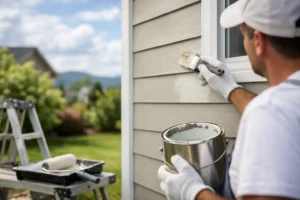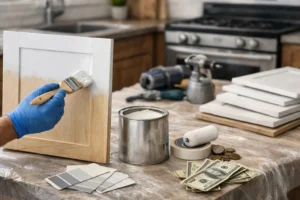
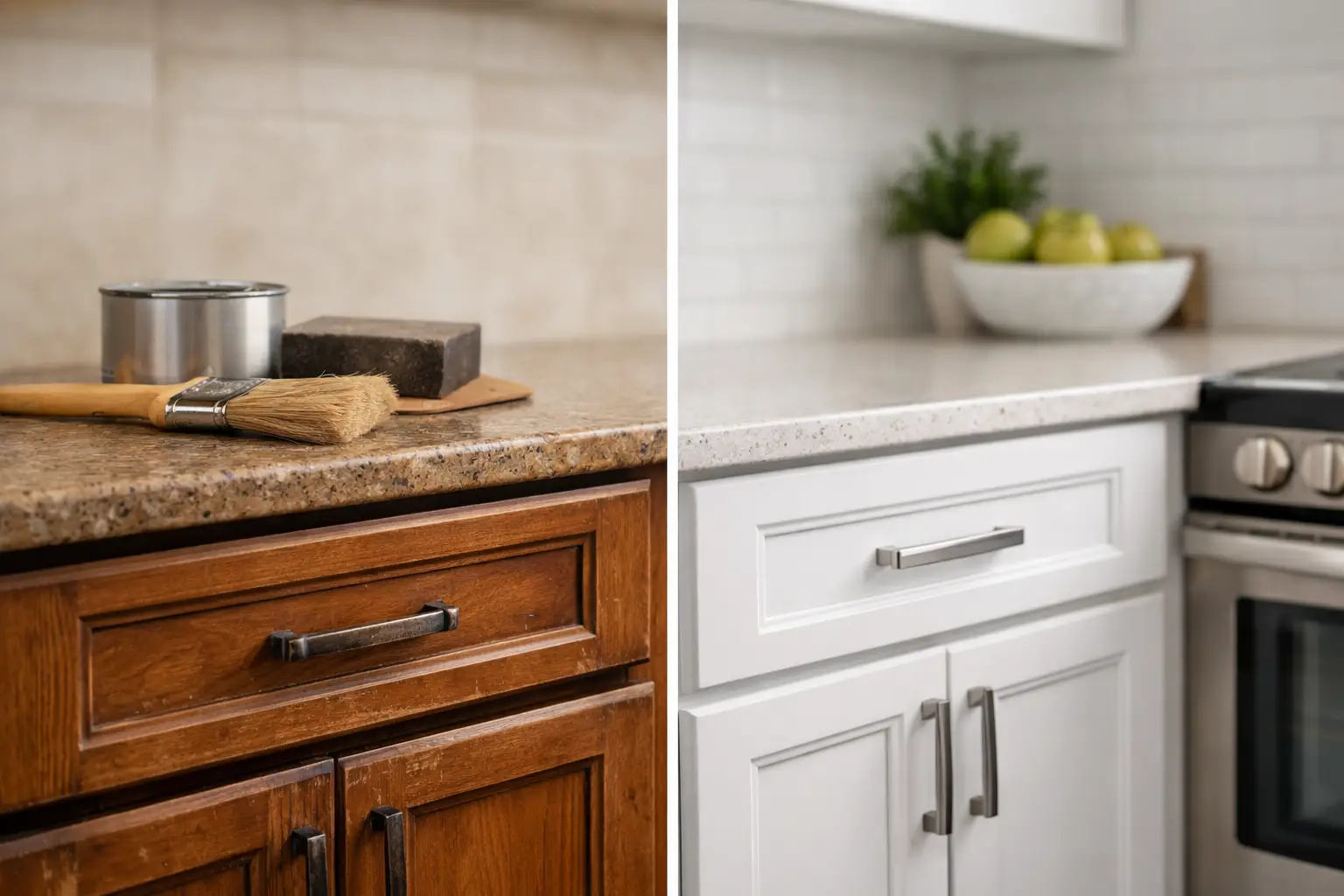
A dated kitchen usually gives itself away in the cabinets first. Yellowed finishes, worn edges, grease buildup near the pulls, and a color that makes the whole room feel older than it is. That is why cabinet refinishing before and after photos get so much attention – they show how much a space can change without a full cabinet replacement.
For many homeowners, the surprise is not just that the cabinets look better after refinishing. It is that the whole kitchen feels brighter, cleaner, and more current. Counters look newer. Backsplash colors make more sense. Even the lighting seems to improve once those dark or tired cabinet surfaces are updated.
What cabinet refinishing before and after really shows
The best cabinet refinishing before and after transformations are not just about color. They are about condition, surface prep, and finish quality. A true before-and-after project takes cabinets that are structurally sound but cosmetically worn and gives them a new life with the right process.
That matters because cabinets sit at eye level and get constant use. If the finish is uneven, if brush marks show, or if old grime bleeds through the new coating, the result never looks fully finished. Good refinishing changes that. It corrects the signs of wear while creating a smooth, durable surface that fits the room better.
This is also where expectations need to stay realistic. Refinishing can dramatically improve appearance, but it does not rebuild damaged cabinet boxes, fix poor layout, or turn low-grade materials into custom hardwood cabinetry. If your cabinets are in decent shape and the problem is mostly appearance, refinishing is often the smarter investment.
Before refinishing: what cabinets usually look like
Most cabinets do not fail all at once. They show wear in small ways that add up over time. The finish around handles gets dull first. Lower doors pick up scuffs. Near the stove, grease and residue settle into the surface. Sun exposure can also shift the color, especially in Arizona homes with strong natural light.
Older stain colors are another common issue. Honey oak, red-toned wood, and heavy orange finishes can make a kitchen feel stuck in another decade, even when the cabinets themselves are still solid. In other homes, painted cabinets may have chips, peeling edges, or visible roller texture from a previous paint job that was never done correctly.
The most telling “before” signs are usually these: the cabinets feel dirty even after cleaning, the color darkens the room, and the finish no longer looks consistent from one door to the next. That is the point where homeowners start thinking about replacement, even though refinishing may be enough.
After refinishing: what changes most
Once the work is done well, the difference is immediate. The color feels intentional. The finish looks even. Doors and drawer fronts stop drawing attention for the wrong reasons.
Lighter colors often make the biggest visual impact because they reflect more light and help the kitchen feel open. White, off-white, warm greige, and soft taupe remain popular because they clean up the look of the room without making it feel cold. Darker colors can also work well, especially on islands or in homes that want more contrast, but they show dust, fingerprints, and imperfections more easily.
What homeowners usually notice in the “after” stage is not just the cabinets themselves. It is the way the room works together. Existing countertops may suddenly look more upscale. Floors that once felt mismatched often fit better once the cabinet tone is corrected. A quality refinishing job can make the kitchen look remodeled, even when the footprint stays exactly the same.
The process behind better before and after results
A strong result comes from process, not shortcuts. This is where many cabinet projects go wrong.
First comes cleaning. Cabinets collect oils, cooking residue, hand grime, and dust, especially around doors and drawers. If that contamination stays on the surface, coatings do not bond the way they should. After cleaning, the existing finish is dulled or sanded to create the proper profile for adhesion.
Repairs matter too. Small dents, chips, and worn corners should be addressed before finish coats go on. If that step gets skipped, the new color may hide some wear but it will not actually make the cabinets look restored.
Then comes priming and coating. Product choice depends on the cabinet material, current finish, and desired final look. Not every cabinet should be treated the same way. A solid wood door, an MDF panel, and a previously painted surface all need slightly different handling if you want a durable result.
Application also makes a major difference. Clean cabinet refinishing usually depends on controlled prep, careful masking, and a finish method that minimizes texture and keeps lines smooth. Homeowners often focus on color selection, but the real quality is in how the finish lays down and how well it holds up months later.
Why some cabinet refinishing before and after projects look better than others
Two kitchens can use a similar color and still end up looking completely different. The difference usually comes down to craftsmanship.
Poor prep leaves behind problems that paint cannot hide. You may see old grain patterns telegraphing through when they should have been addressed, or rough spots under what should be a smooth enamel finish. In lower-quality work, hinges and hardware areas may be messy, edges may feel sharp or thinly coated, and the final look can read more like a quick repaint than a true refinishing job.
Good workmanship shows up in the details. Doors look consistent under changing light. Drips are absent. Corners are covered without becoming heavy. The finish feels cured, even, and built for normal kitchen use.
That is especially important in busy households. Cabinets are touched every day. Durability matters just as much as appearance. A finish that looks great for one week but chips around the pulls after regular use is not a good value.
Is refinishing better than replacing?
It depends on what your cabinets need.
If the cabinet boxes are solid, the doors are in good shape, and the layout works for your household, refinishing is often the practical choice. It costs less than full replacement, creates less disruption, and still delivers a major visual upgrade. For homeowners preparing to sell, it can also improve perceived value without taking on a larger remodel.
Replacement makes more sense when cabinets are structurally failing, poorly built, water damaged, or no longer functional for the space. If drawers do not work, storage is inadequate, or the kitchen layout needs to change, refinishing will not solve those deeper issues.
For many homes, the right answer is simple: keep what is still working, and improve what looks worn. That is where refinishing tends to shine.
Color choices that create the biggest after impact
Not every trending color makes sense in every kitchen. The best choice depends on cabinet style, lighting, wall color, countertop material, and how much maintenance you want to deal with.
White remains popular because it delivers a crisp, clean after result, but the wrong white can feel stark under strong sunlight. Warm whites and soft neutrals often work better in Arizona homes because they soften the brightness and pair more naturally with stone, tile, and earth-tone flooring.
Greige, mushroom, and muted taupe tones have become strong options for homeowners who want a modern update without the higher upkeep of pure white. Deep charcoal, navy, and green can look excellent too, but they usually perform best in spaces with enough light and enough contrast to keep the room from feeling heavy.
This is one place where seeing samples in the actual kitchen matters. A color that looks perfect on a small swatch can shift a lot once it covers every cabinet door in the room.
What homeowners should look for before hiring a refinishing contractor
Before-and-after photos are helpful, but they should not be the only thing you judge. Ask how the cabinets are cleaned, what prep is included, what products are being used, and how the project is protected inside the home. Those details tell you whether the result is likely to last.
It also helps to work with a contractor who treats cabinet refinishing like finish work, not just another paint job. Cabinets demand more control, more patience, and better prep than most walls do. That is part of why homeowners across Mesa and nearby communities often look for a crew that emphasizes clean workmanship and reliable scheduling, not just a low bid.
If you are comparing options, look past the headline price and think about the result you want to live with every day. A finish you can trust is worth more than a quick shortcut that needs attention again too soon.
Cabinet refinishing before and after results can be dramatic, but the biggest payoff is often simpler than that. When the work is done right, your kitchen starts feeling cared for again – cleaner, brighter, and easier to be proud of.