If you have ever watched fresh exterior paint start to fade, peel, or chalk sooner than expected, the problem is not always the product. Very often, it comes down to timing. The best time of year to paint house exterior surfaces depends on temperature, sun exposure, moisture, and how well the surfaces are prepared before the first coat goes on.
In Arizona, that timing matters even more. Intense heat, direct sun, dust, and monsoon moisture can all work against a paint job if the schedule is off. Homeowners often ask whether summer is best because the weather is dry, or whether winter is safer because the temperatures are lower. The honest answer is that there is a best window, but there are also a few important exceptions.
The best time of year to paint house exterior in Arizona
For most homes in Mesa and the greater Phoenix area, spring and fall are usually the best seasons for exterior painting. Those months tend to offer the most reliable daytime temperatures, cooler surface conditions, and fewer extreme weather swings. Paint generally performs best when it can dry and cure at a steady pace, not when it is being forced by scorching heat or interrupted by moisture.
Spring is a strong choice because temperatures are warming up without reaching the peak summer highs that can cause paint to dry too fast. Fall is also ideal because surfaces have started to cool down, and crews can work longer parts of the day without fighting the full strength of the afternoon sun.
That said, the season alone does not decide the job. A good painting schedule is based on actual conditions at the property. A south-facing stucco wall in July is not the same as a shaded north-facing elevation in October. That is why experienced exterior painters look beyond the calendar.
Why temperature matters more than the month
Most exterior paints have manufacturer guidelines for both air temperature and surface temperature. Those are not small details. If the wall is too hot, paint can flash dry before it has a chance to bond properly. That can leave behind lap marks, poor adhesion, uneven sheen, or an early breakdown in the finish.
In Arizona, surface temperature is often the bigger issue. Even when the air temperature seems manageable, stucco, wood, and siding exposed to direct afternoon sun can get much hotter than expected. A house might look paint-ready at 9 a.m. and become too hot to coat by early afternoon.
On the other end of the spectrum, cooler winter weather can be workable if daytime temperatures stay within the product range and there is enough time for the paint to dry before evening temperatures drop. This is one reason professional scheduling matters. The crew has to know when to start, which side of the house to paint first, and when to stop for the day.
Ideal painting conditions
In general, exterior painting goes best with mild temperatures, low wind, dry surfaces, and limited direct sun during application. Consistency matters. Paint likes stable conditions much more than sudden swings.
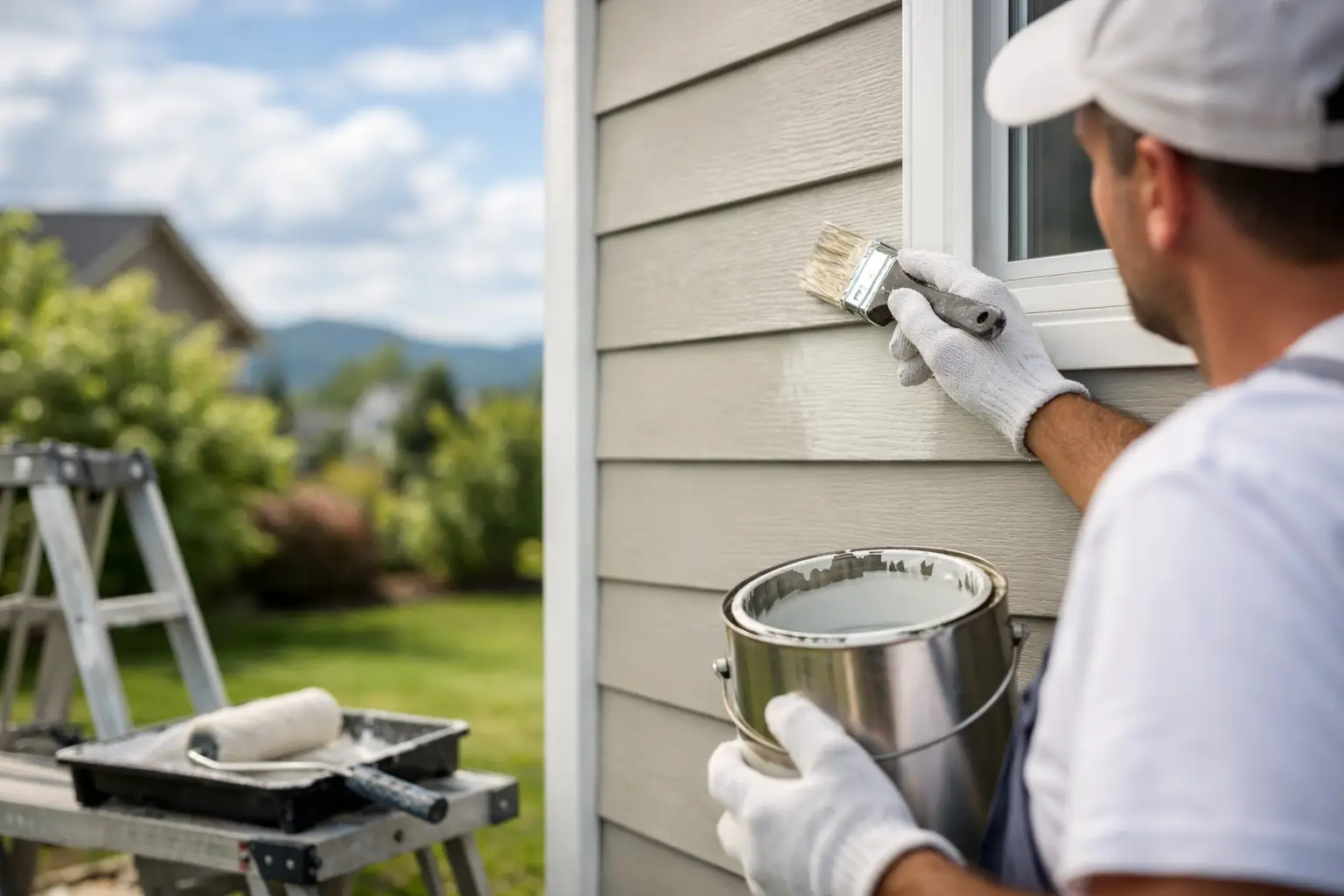
For many Arizona homes, that means working in the morning, rotating around the house with the shade, and avoiding the hottest wall exposures during peak afternoon hours. It is a practical approach that protects the finish and improves the overall appearance of the final coat.
Can you paint a house exterior in summer?
Yes, but it depends on the home, the start time, and the crew’s approach. Summer is not automatically off the table in Arizona, but it is the season that requires the most caution. The challenge is not only the heat in the air. It is the way stucco and trim hold that heat once the sun is on them.
A rushed summer paint job can create problems that show up later. Paint may look dry on the surface while still curing unevenly underneath. Caulking can become harder to manage. Touch-ups may not blend as cleanly. Crews may also have a shorter working window each day, which can affect scheduling.
Still, some summer projects are absolutely possible. Homes with shaded elevations, early morning work windows, and careful planning can still be painted successfully. The key is not forcing the project onto the wrong surfaces at the wrong time.
Is winter a good time to paint exterior surfaces?
Winter can be a surprisingly good time for exterior painting in parts of Arizona, especially compared with colder regions of the country. In places like Mesa, Chandler, Gilbert, and Scottsdale, winter days are often mild enough for quality exterior work when scheduled properly.
The benefits are real. Surfaces are cooler, crews can often work more comfortably, and there is less risk of extreme heat affecting the finish. The trade-off is shorter daylight hours and cooler mornings, which can delay the start time. Some products also have minimum temperature requirements, so not every winter day is a good candidate.
This is where a professional estimate helps. Instead of assuming winter is either fine or impossible, a contractor can assess the surfaces, sun exposure, and product options for your specific home.
Moisture, dust, and monsoon season
Homeowners often focus on temperature first, but moisture is another major factor. Exterior surfaces must be clean and dry before painting. If there has been recent rain, pressure washing, or heavy morning dew, the substrate may need more time before it is truly ready.
Arizona’s monsoon season adds another layer of risk. Even when rain is not in the forecast at the moment, sudden weather changes, windblown dust, and humidity spikes can affect both prep work and paint application. Dust can settle into wet coatings. Moisture can interfere with adhesion. Wind can make spray work more difficult and increase cleanup concerns.
That does not mean every monsoon-season project should be postponed. It means the schedule needs to stay flexible, and the prep has to be done right. Clean workmanship starts long before the color goes on.
Prep work matters as much as timing
Even the best time of year to paint house exterior surfaces will not make up for poor preparation. Timing gives paint a fair chance to perform, but prep is what allows it to hold up over time.
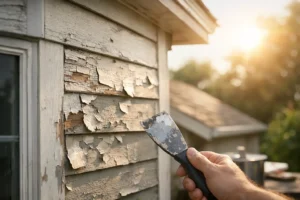
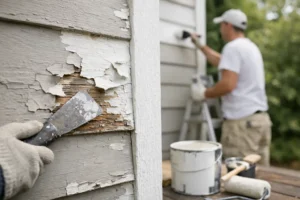
A durable exterior job usually starts with washing away dirt, chalk, and loose debris. From there, damaged caulking may need replacement, peeling areas may need scraping and sanding, and any siding or trim issues should be addressed before coating begins. Primer may also be necessary in repaired or exposed areas.
This step is where a lot of quick, low-cost paint jobs fall short. Homeowners may only notice the fresh color at first, but long-term results come from what was done underneath. Good prep creates a smoother finish, better adhesion, and stronger weather resistance.
How to tell when your house is ready
The right season helps, but your home also gives its own signals. If the existing paint is faded, chalky, cracked, or peeling, waiting too long can allow more surface damage to develop. Caulk joints may open up. Wood trim can begin to absorb moisture. Stucco cracks can grow and become more visible after painting if they are not repaired first.
If your goal is curb appeal before selling, timing becomes part of the return on investment. If your goal is protection, it makes sense to schedule before the damage spreads. A well-timed paint job is not just about appearance. It is part of preserving the exterior materials underneath.
Choosing the right painting window for your home
There is no single date that works for every property. The best schedule depends on your home’s exposure, condition, material type, and neighborhood conditions. A two-story stucco home in full sun will not behave the same way as a shaded single-story property with wood trim.
That is why local experience matters. A contractor who understands Arizona conditions can plan around heat, seasonal shifts, and surface temperature instead of relying on generic advice that may not fit the desert climate. At 1UP Painting LLC, that kind of planning is part of delivering a finish you can trust, not just a fast turnaround.
If you are trying to decide when to move forward, spring and fall are generally the safest starting point. Winter can work well in many cases. Summer can work too, but only with careful timing and realistic expectations. The best paint job is the one scheduled with the weather, the surface, and the prep all working together.
A fresh exterior should do more than look good for a few months. When the timing is right and the work is done with care, it protects your home, improves curb appeal, and gives you one less thing to worry about when the Arizona sun starts doing what it does best.